
Insights

Responsive Images: Most Sites Use srcset, Many Get sizes Wrong
Leave out the sizes attribute and the browser assumes every image fills the whole screen. On our own Insights page, that made a desktop browser download 3.2 times the image data for exactly the same layout. Here is how the browser picks a file, how often sites get it wrong, and how many widths you really need.

Do You Need to Remove EXIF Data Before Publishing Photos Online?
Yes for location, and probably not for the reason you think. A phone photo can carry the exact coordinates it was taken at, and WordPress, run on the common Imagick setup, deliberately keeps that data in every resized copy. Here is what is in the file, two times it mattered, and the one kind of metadata worth keeping.

Core Web Vitals and Images: Compression Is the Smallest Lever
Every guide says compress your images. Google's own field data puts the image download at roughly 8% of LCP on sites that fail it, and four times less than the wait before the download even starts. We measured what our own pages ship: 11.1 KB on a phone.

What AI Search Does With Your Images
Google Lens handles close to 20 billion visual searches a month, and the systems answering text questions read pictures too. What they read, in what order, and why alt text stopped being a chore.

Is SEO Dead? The Click Is Dying, But SEO Is Not
Google users click a result 8% of the time when an AI summary is on the page, against 15% without one. Here is what that changes, what it does not, and why images are the part of it nobody is talking about.
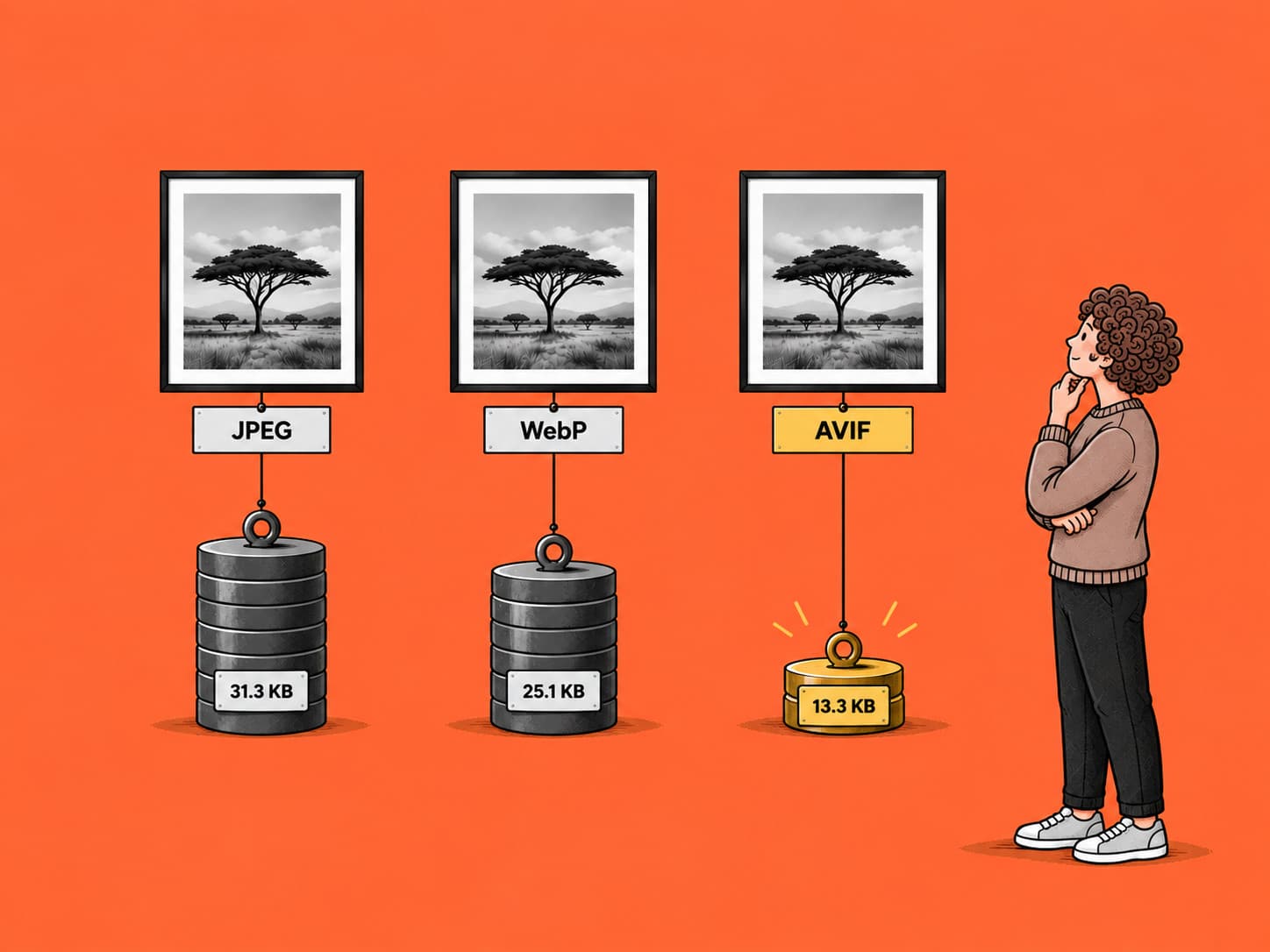
WebP vs JPEG vs PNG: Which Should You Use?
A decision guide rather than a spec sheet, with current browser support figures and measurements from our own images. Google says WebP is 25 to 34% smaller than JPEG. On our files it was 14 to 20%, and AVIF beat both by a distance.
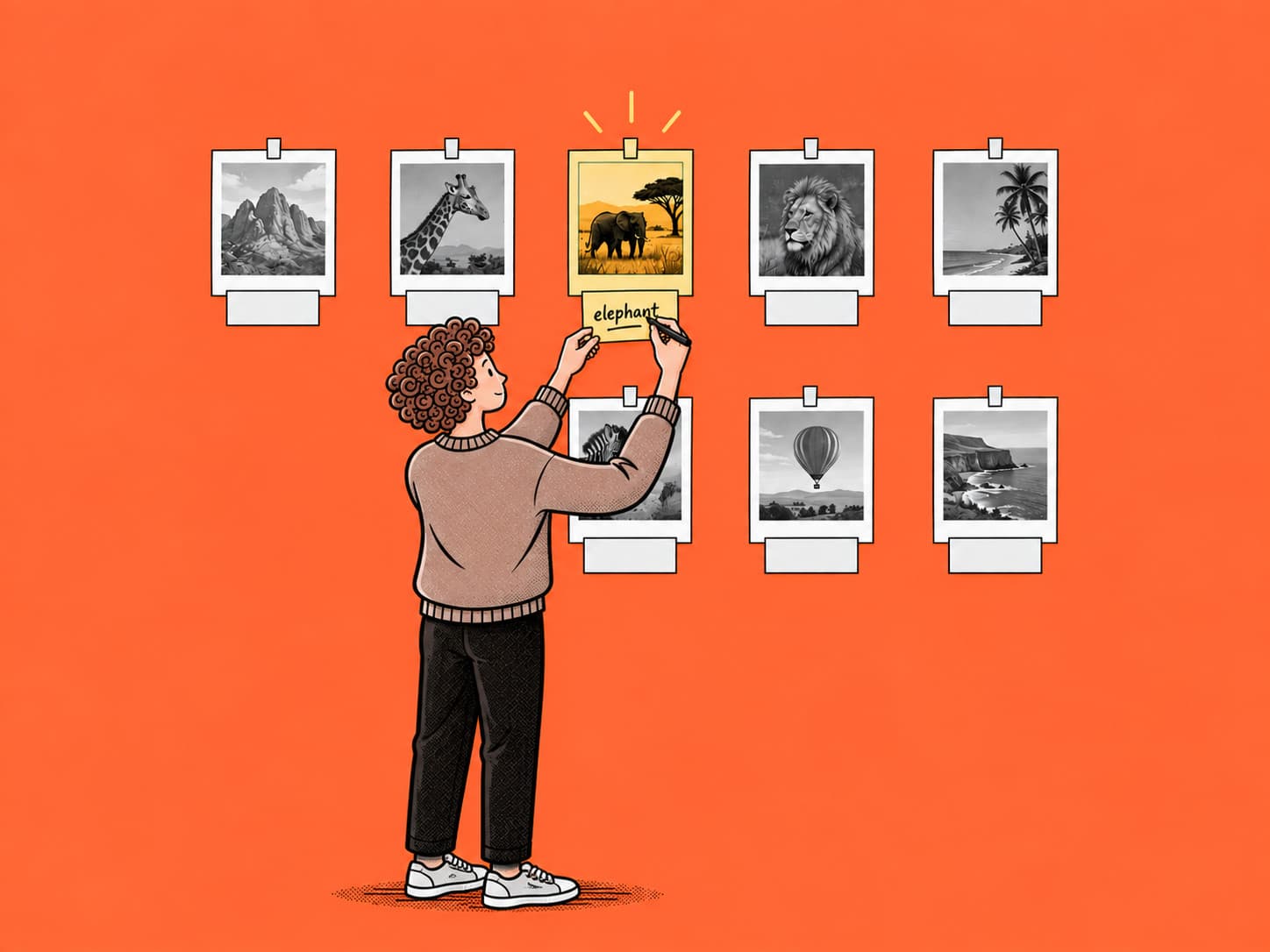
Alt Text Examples: 25 Before and After Rewrites
Twenty-five real alt text rewrites across product photos, food, furniture, headshots and screenshots, each with the reason it changed. Plus what the standards actually require, and why the 125 character limit is not what you think.

How to Batch Rename Images for SEO Without Doing It One File at a Time
Every built-in batch rename tool gives many files one name and a number, which is the thing Google tells you to avoid. Here is what the tools do well, where they stop, and how to name a folder of images properly without losing an afternoon.

Image SEO: What Actually Affects Your Google Rankings
What Google says about filenames and alt text, what the data shows about image weight and speed, and a practical workflow for teams publishing images at scale.